Science News
 American
Science News for 16 September 2026
American
Science News for 16 September 2026
Nuclear fusion experiment produces the brightest X-rays on Earth yet
New Scientist - 16 Sep 2026 12:00 A new twist on nuclear fusion ignition emitted X-rays that are as bright as some stars, which could enable other extreme experiments
Why The Ambidextrous Universe is a masterpiece of science writing
New Scientist - 16 Sep 2026 12:00 Dont read The Ambidextrous Universe unless you are serious about maths and physics, because Martin Gardner is very happy to make his readers work - to enthralling effect, says Jacklin Kwan
Scientists find a hidden health advantage in black and green rice
Science Daily - 16 Sep 2026 23:52
Scientists found that black and green Japanese rice contain unusual, potentially beneficial fats and may be digested more slowly than ordinary white rice. The combination could make these colorful varieties promising ing...
1,700-year-old fragment of the 'Odyssey' discovered in Dutch library
Live Science - 16 Sep 2026 20:12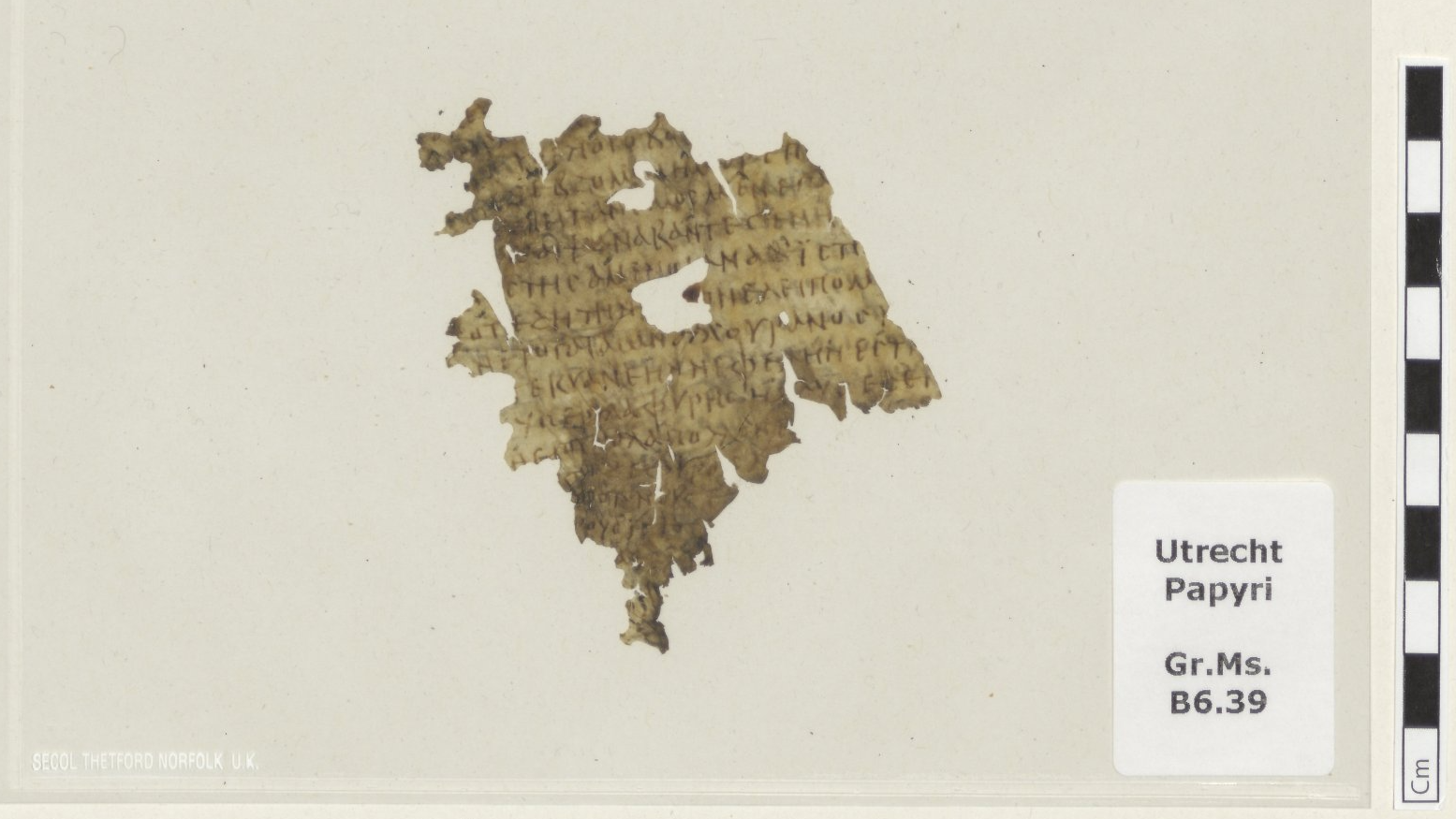 An expert in ancient Greek literature identified a fragment of the "Odyssey" among a collection of manuscripts in a Dutch university library.
1,700-year-old fragment of the 'Odyssey' discovered between pages of Dutch library book
Live Science - 16 Sep 2026 20:12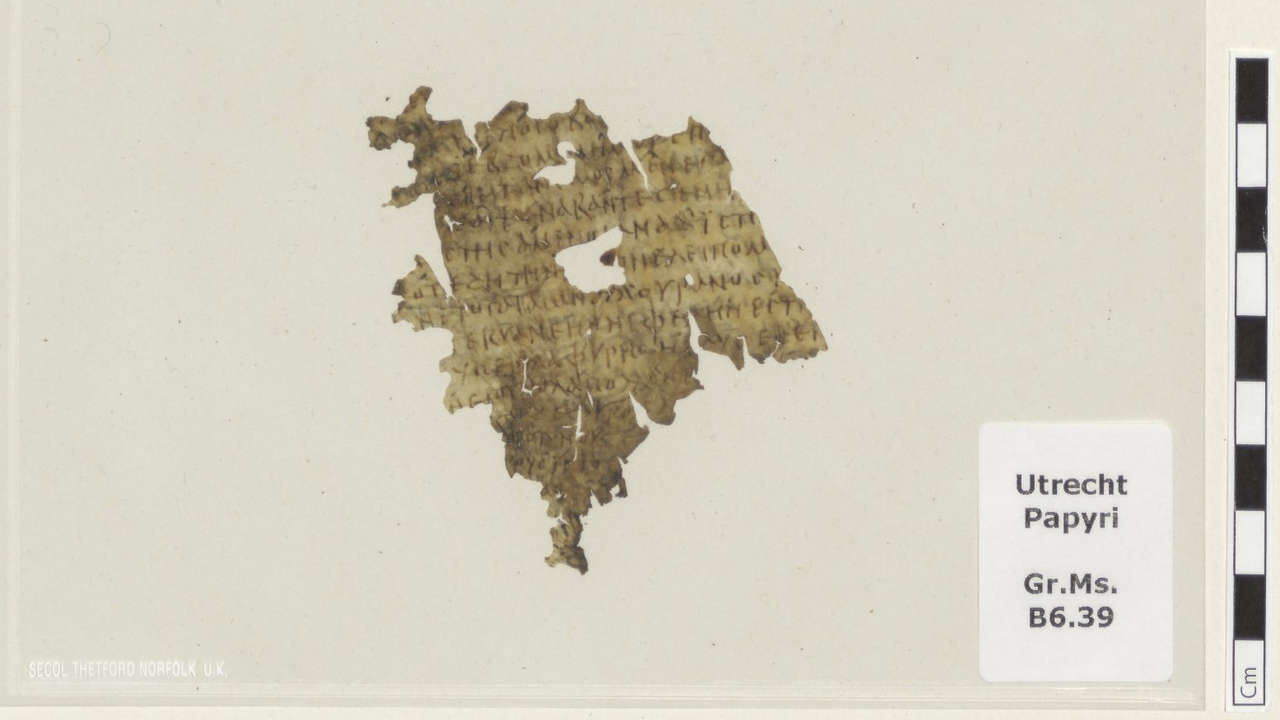 The fragment is from Book 12, when Zeus curses Odysseus' men for killing and eating Helios' sacred cattle.
Hot electrons reveal electronic collisions may raise resistance in twisted graphene
Phys.org - 16 Sep 2026 19:40 When a material heats up, its electrical resistance often rises. The harder question is what, exactly, is getting in the way. The electrons carrying the current may be scattered by vibrations of the material's atomic...
Mobile trap transports 92 antiprotons by road and stores them for over a month in world first
Phys.org - 16 Sep 2026 18:30 In March 2026, scientists succeeded in transporting antiprotons by road for the first time in a purpose-built trap loaded on a truck. The BASE collaboration, which realized this experiment at the European Organization fo...
Asteroid hit the moon and flung rocks 120 kilometres from the crater
New Scientist - 16 Sep 2026 18:00 Researchers have watched a huge crater form on the lunar surface, and its widespread effects could help inform future exploration of the moon and other similar places
New trick could reveal text on 2,000-year-old scrolls charred by eruption of Mount Vesuvius
Live Science - 16 Sep 2026 18:00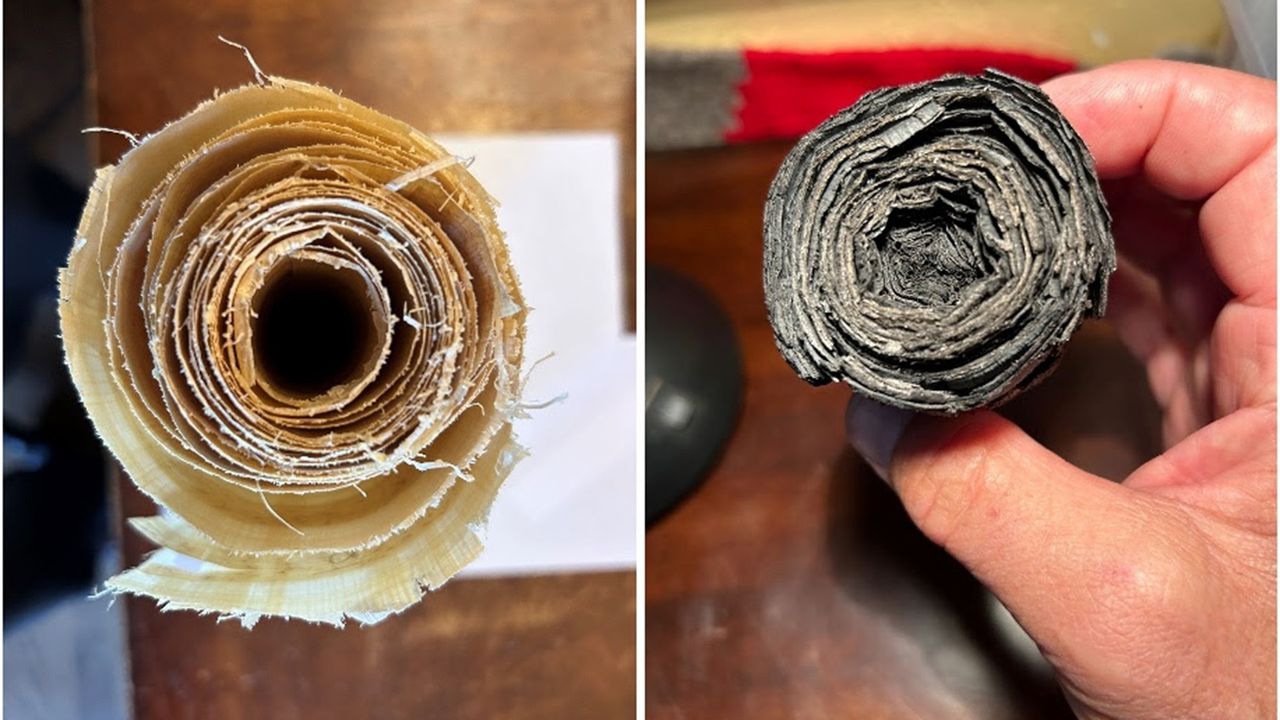 Using X-ray technologies and custom-made software, researchers were able to read text they wrote on a fake ancient scroll designed to mimic those destroyed at Herculaneum in A.D. 79.
T. rex teeth show the enormous predatory dinosaur was warm-blooded
New Scientist - 16 Sep 2026 18:00 Analysis of the chemistry of ancient T. rex tooth enamel adds weight to the idea that the fierce Cretaceous predator controlled its body temperature
Earth is getting less dusty - which is both good and bad
New Scientist - 16 Sep 2026 18:00 The amount of dust in the atmosphere has fallen, which is good for our lungs, but is a loss for ecosystems that depend on wind-borne nutrients
Roll waves emerge as uniform water flow destabilizes on steep slopes, equations show
Phys.org - 16 Sep 2026 17:00 When it rains, traveling waves appear on steep asphalt pavement, slowly making their way down the slope. Because these so-called "roll waves" propagate without deforming and are typically characterized by abrupt ...
Why it is time to restate the case for the importance of research on animals
New Scientist - 16 Sep 2026 17:00 Recent progress on alternatives to animal testing is hugely welcome. But talk of "phasing out" animal research completely is misleading and could even be dangerous to scientists
What is the most-used Beatles song in academic paper titles?
New Scientist - 16 Sep 2026 17:00 Feedback enjoys a new piece of research delving into papers whose titles mention Beatles songs - but wonders if there is an ulterior motive at work for those who pulled it together
Twisteddoodles masters the universe
New Scientist - 16 Sep 2026 17:00 This week's cartoon from Twisteddoodles
Tom Gauld excludes an outlier from the study
New Scientist - 16 Sep 2026 17:00 Tom Gauld weekly cartoon
This weeks new questions
New Scientist - 16 Sep 2026 17:00 If every ship on the planet were hauled out ofthe water, how much would global sea levels change, andhow quickly? How different would Earth be if anaerobic life werethe only life form, and could it have become sentient?
Satellite data gives clearer picture of how ice sheets are losing mass
New Scientist - 16 Sep 2026 17:00 The longest satellite record ever compiled shows the vast majority of ice loss from Greenland and Antarctica is due to glaciers flowing faster, rather than warmer air temperatures melting them at the surface
Was there a 'before' the Big Bang? Jim Al-Khalili on the mind-bogglingness of time
Live Science - 16 Sep 2026 15:56 In this excerpt from "On Time: The Physics That Makes the Universe Tick," author and theoretical physicist Jim Al-Khalili examines the possibility of time starting before the Big Bang, with the cosmological theor...
How older siblings may shape sexual orientation via mothers immune system
New Scientist - 16 Sep 2026 15:50 It has long been observed that men with older brothers are more likely to be gay, but an association has also been found with older sisters. This sheds further light on how a mother's immune system may be involved in...
Circular Rydberg atoms set three records, staying stable for 11 milliseconds
Phys.org - 16 Sep 2026 15:20 Rydberg atoms are considered promising building blocks for quantum computers and their precursors, quantum simulators. Researchers at the 5th Institute of Physics of the University of Stuttgart have achieved record value...
Human organoids restore cognition in mice with half a brain
New Scientist - 16 Sep 2026 15:01 Mice with half a brain experienced significant improvements in their cognition and movement when they received brain organoids made from human stem cells
 Global
 Great Britain
 Indian
 South Africa